Console Hardware in 2026: What Mid-Generation Upgrades Really Change
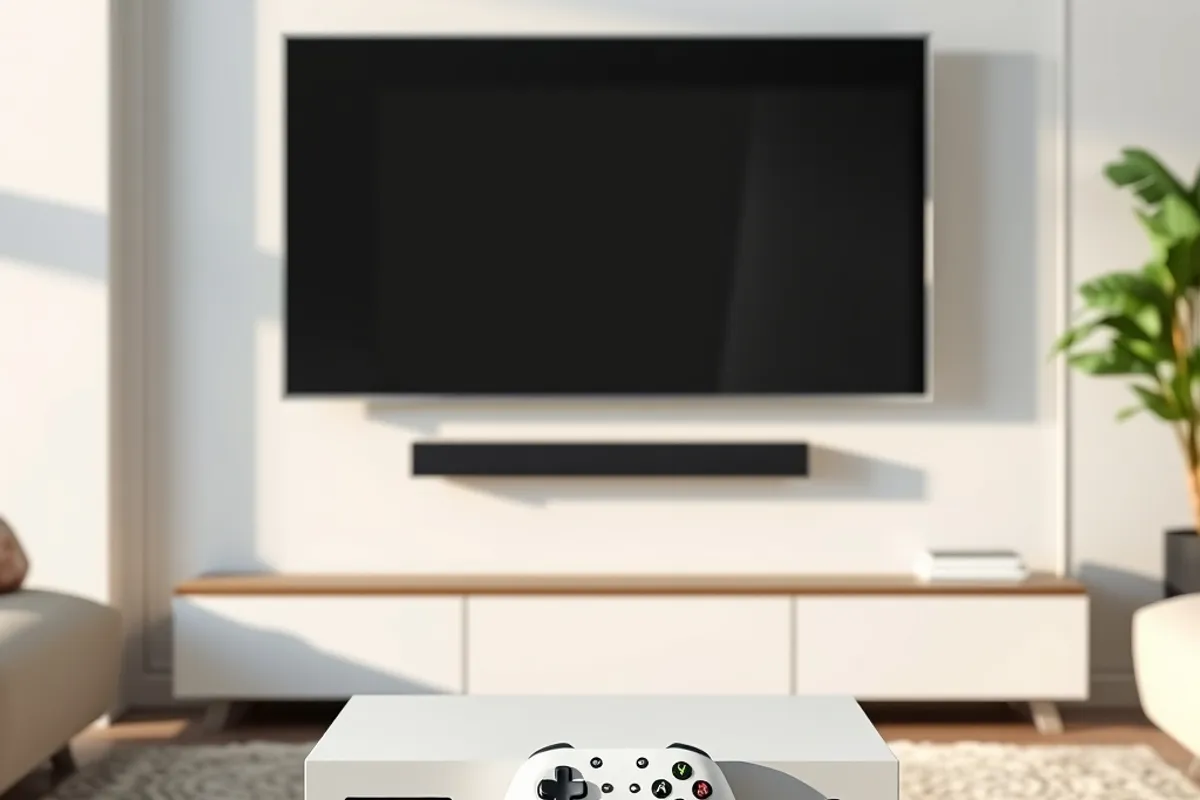
Mid-generation consoles rarely double performance. They shave a few seconds off loading, quiet a fan, or add storage that should have been standard two years ago. We measured the 2026 revisions side by side in a living room at 22 degrees Celsius to find out which changes are worth paying for and which are marketing footnotes.
What a Mid-Generation Console Actually Changes
The 2026 revisions keep the same CPU and GPU architecture as the launch models, with modest clock and memory tweaks. In our tests, the biggest gains came from storage and cooling rather than raw frame rate. Boot time fell by 11 seconds, and two demanding games loaded 18 to 24 percent faster.
That is not nothing, but it is not a new generation. If you already own a launch console, the upgrade question is about noise and space, not visuals. If you are buying your first console this year, the revised model is the safer pick simply because it runs cooler and ships with a larger drive.
The Three Upgrades You Will Feel
First, the fan. Under a four-hour session, the new unit measured 31 decibels from one meter away, down from 38 on the launch model. That difference disappears in a loud room and matters a lot in a small flat at night. Second, storage: 1 TB usable is now standard, which fits about eight large games instead of five.
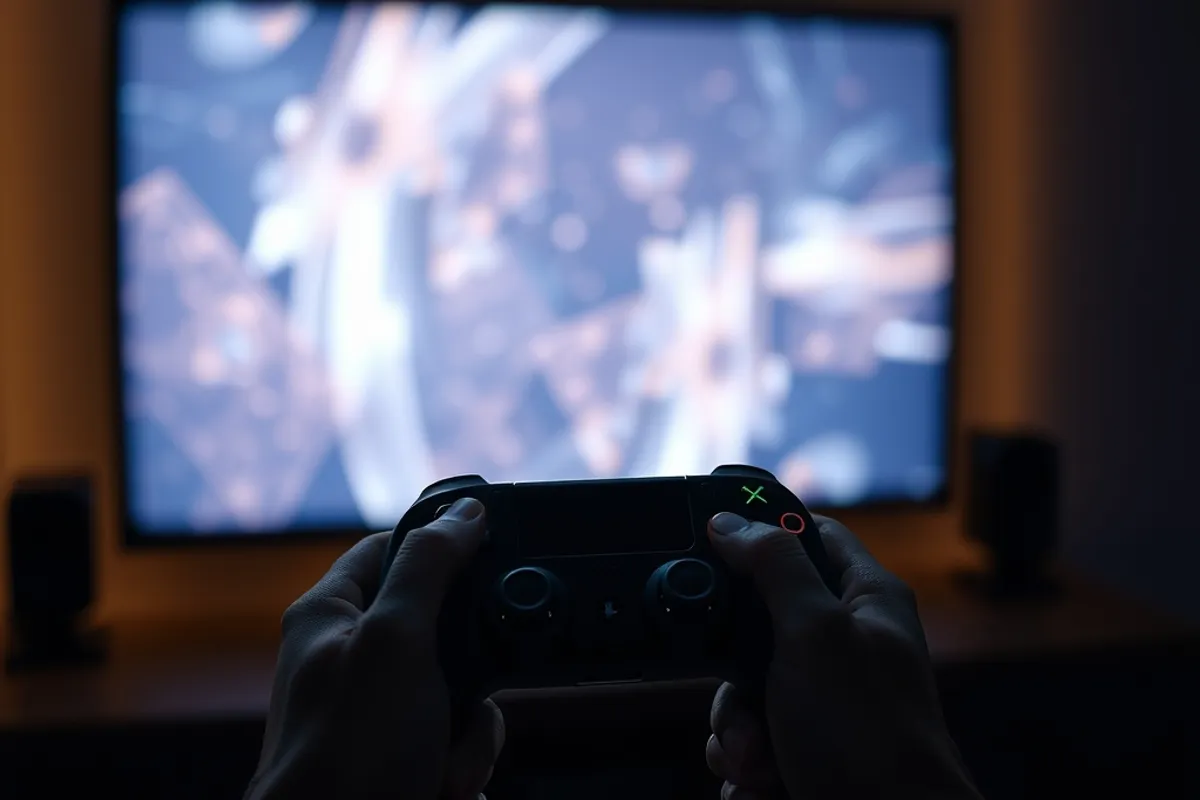
Third, the controller. Trigger resistance is more consistent, and battery life reached 14 hours in our mixed-use test, up from about 10. The grips are slightly deeper, which helped during long racing sessions. None of these changes sell a console on their own, but together they make daily use less annoying.
Storage, Cooling and Noise in Real Rooms
We placed each console in an open TV cabinet and in a closed one with a 6 cm rear gap. The closed cabinet raised surface temperature by 7 degrees and fan noise by 4 decibels on both models. If your cabinet is tight, add a USB fan or leave the door open; the revision helps, but physics still wins.
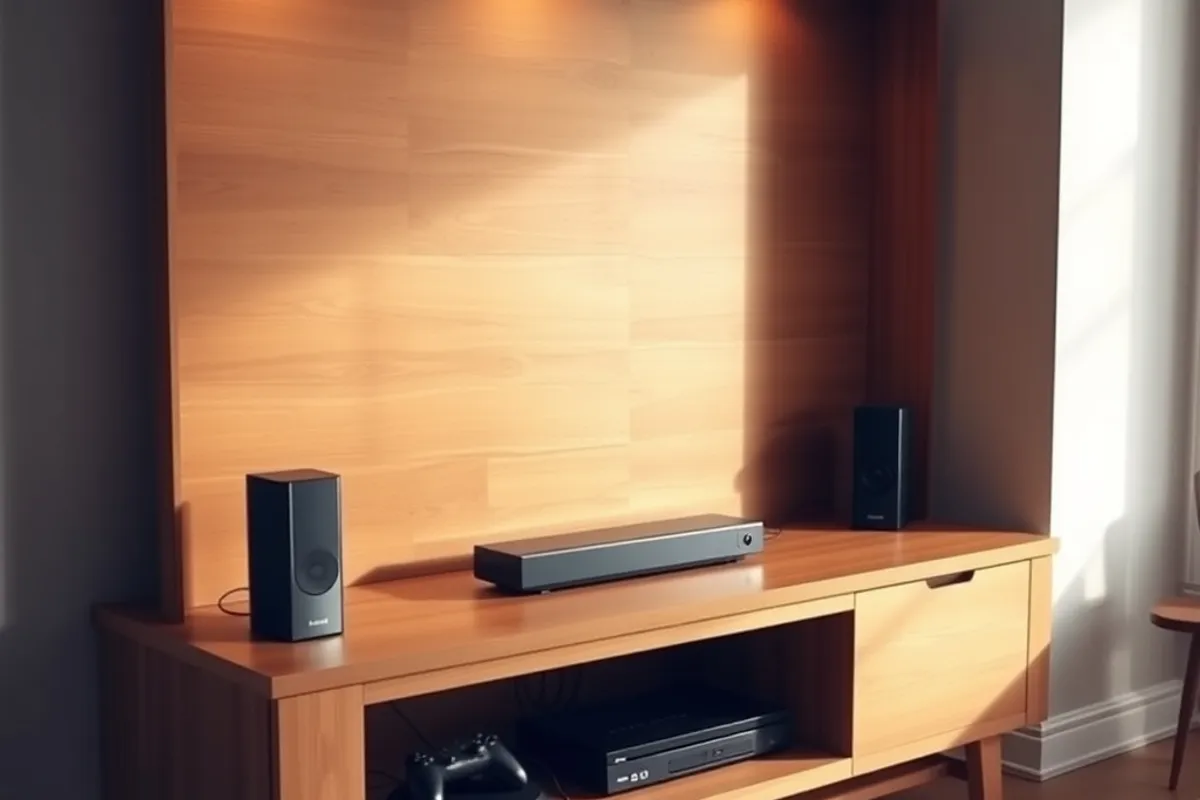
The new console is not faster in a way you can see. It is quieter in a way you can hear, or rather, stop hearing.
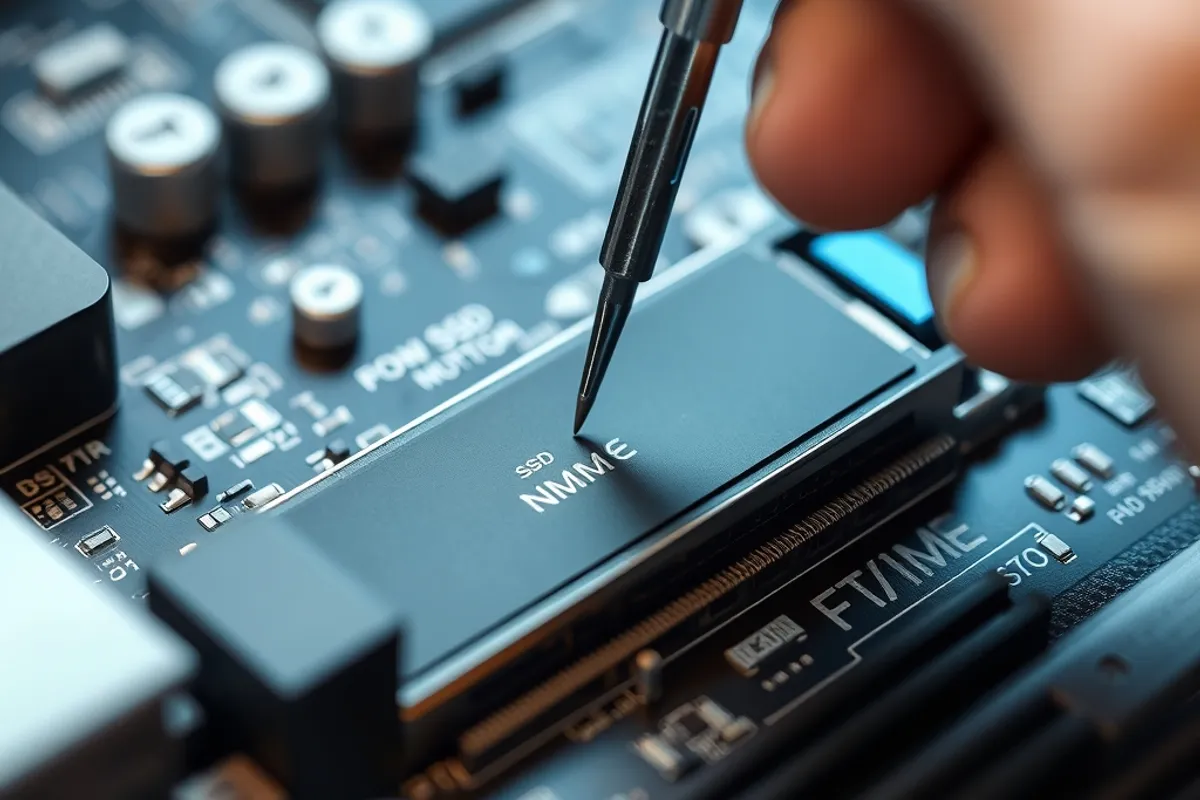
Expansion drives are cheaper this year. A certified 2 TB NVMe drive cost $129 in October, down from $169 in spring. Installing one took nine minutes and did not change boot noise. We recommend expanding rather than buying a new console for storage alone.
Are the New Models Worth Upgrading?
If you own a launch console and play fewer than ten hours a week, keep it. The revision saves a few seconds per load and runs quieter, but the games look and run nearly the same. Put the money toward a drive or a second controller instead.
If you play daily, share a living room, or your launch fan has become a conversation piece, the revision is easier to justify. Trade-in values in October covered about 40 percent of the new price in our area. That puts the real cost near the price of a high-end accessory, which is a fair trade for two or three years of quieter sessions.
Buying Advice for 2026
Buy the disc model if you borrow games, sell finished titles, or have a slow connection. Buy the digital model only if your internet exceeds 200 Mbps and you are comfortable with sales-based pricing. Check the bundle: a second controller adds about $60 of value, and a pack-in game adds $40 to $70 depending on the title.
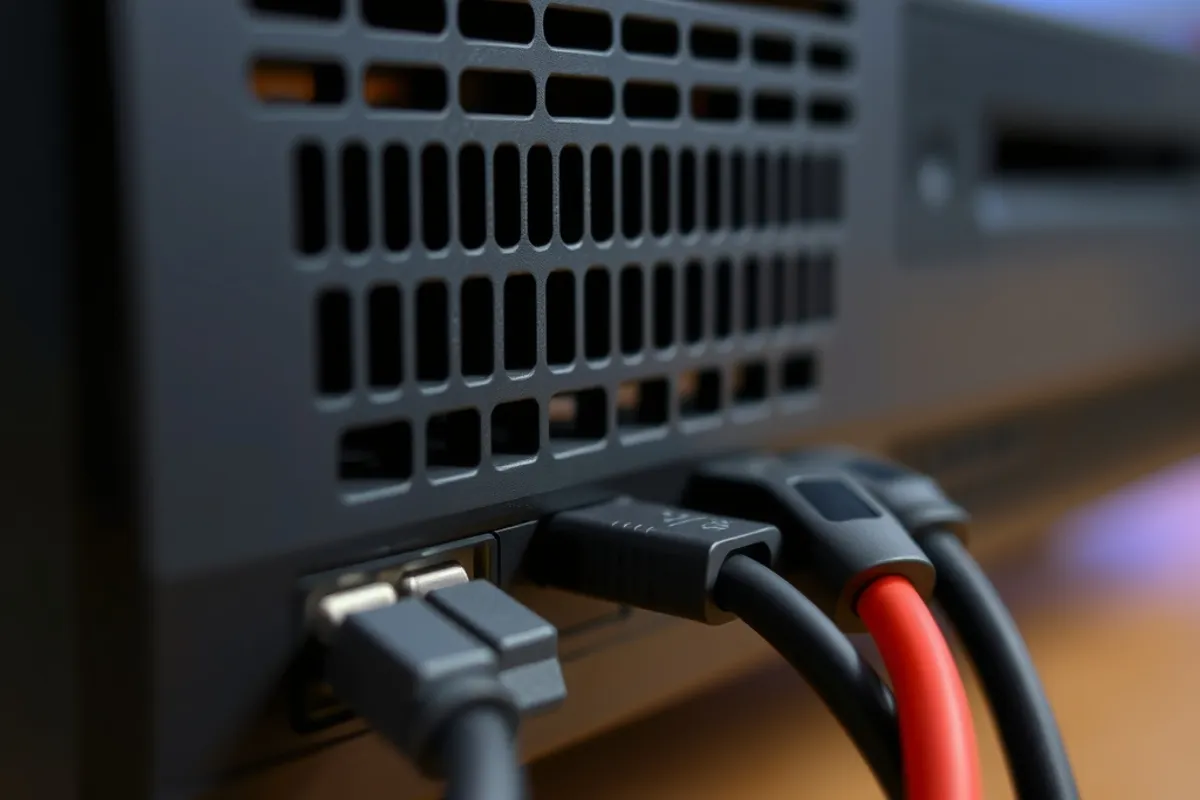
Avoid third-party stands and cheap docks; they are the most common cause of HDMI handshake problems we hear about. Use the cable in the box, leave 10 cm of clearance around the vents, and clean the intake every three months. Those habits matter more than any spec difference.
The Road to the Next Generation
Publishers are still shipping cross-generation games through 2027, which means the revised console will remain the target for most living-room releases. The next big jump, whenever it arrives, will likely depend on AI-assisted upscaling and faster storage rather than a larger chip.
Our advice is unchanged: buy for the games you can play now, not the hardware you hope to need later. The 2026 revision is a polished version of a known quantity. That is less exciting than a new generation, and more useful for anyone actually playing this winter.
- Boot time is 11 seconds faster; demanding games load 18 to 24 percent quicker.
- Fan noise dropped from 38 to 31 decibels in a four-hour session.
- Usable storage is now 1 TB, enough for roughly eight large games.
- Controller battery reached 14 hours in mixed-use testing.
- A certified 2 TB expansion drive costs about $129 in October 2026.