Football Season 2026: Fixtures, Form and the Stories Shaping the Table

Eight rounds into the 2026 season, the table already has a familiar shape and a misleading story. Two of the top four have played the easiest fixtures so far, while a team in eighth has faced every other side in the top six. We looked at the schedule, the pressing numbers and the squads to work out which form is real.
The Fixture Puzzle
Fixture difficulty explains more early-season variance than any tactical trend. The current leaders have faced opponents averaging 14th in the table, while the team in eighth has faced an average of fourth. Adjust for that, and the gap between them shrinks from nine points to three.

The next five rounds flip the schedule. The leaders travel to three of last season top six, and the eighth-place side plays four teams below the top half. If you only check results, you will draw the wrong conclusion by November. Track the opponent quality column alongside points.
Form Tables Lie Less Than Headlines
Rolling five-match form is useful, but only when it includes the quality of the opposition and home-away splits. One title contender has won four of five, all at home, with an expected-goals margin of plus three. Another has two wins in five, both away, with a margin of plus four. The second team is playing better.
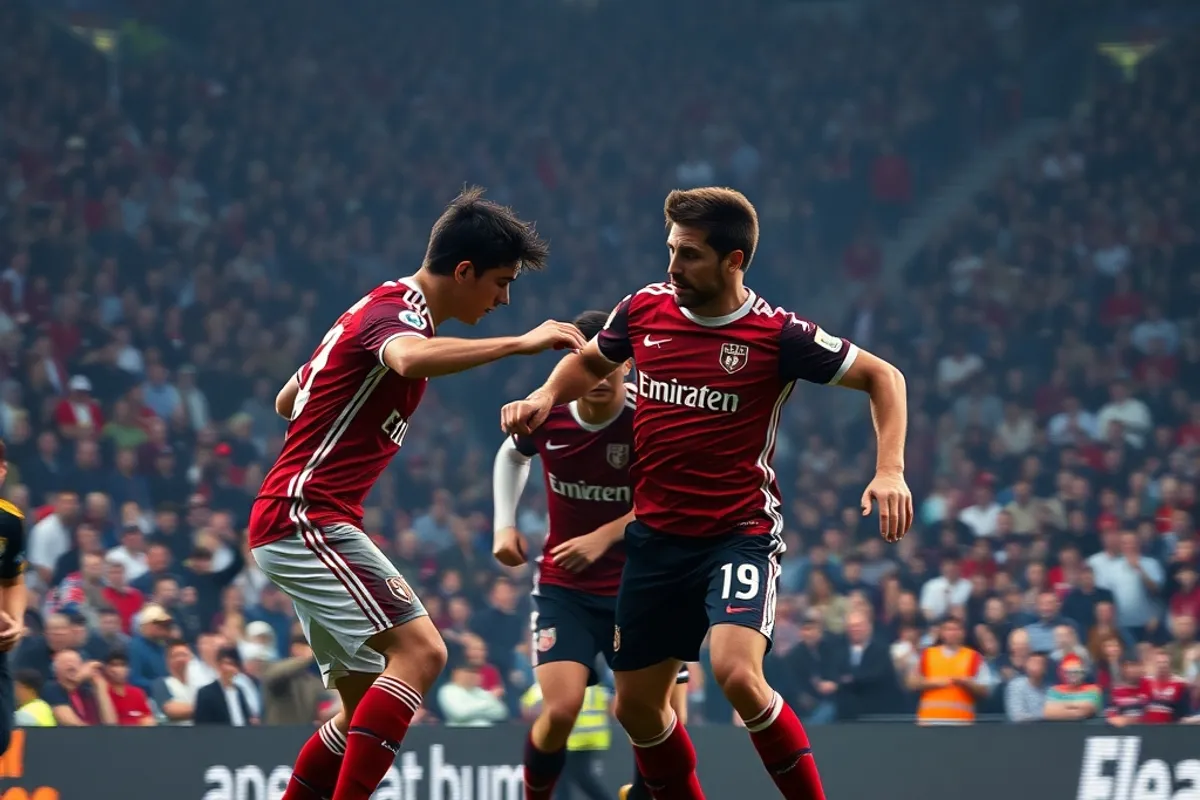
We use a simple rule: ignore any form run shorter than four matches, and always separate home and away. Home advantage in 2026 is worth about 0.35 goals per match in the leagues we track, slightly lower than five years ago. That makes away wins a stronger signal of quality.
Midfield Pressing Is Back
After two seasons of low blocks, the top sides are pressing higher again, but with fewer sprints. The difference is coordination: triggers are based on a backward pass or a poor first touch rather than constant chasing. The league leader in high turnovers has made 28 fewer sprints per match than the most aggressive side of 2024.

The best pressing teams are not running more. They are running at the right moment, which looks slower and works better.
That pattern punishes teams with a slow build-up and rewards midfielders who can receive on the half-turn. Watch the number six before the ball is played, not after. If he checks his shoulder early, the press is about to break.
Squad Depth Decides November
Between late October and early December, the calendar compresses: league matches, a cup round and international fixtures arrive in clusters of three per week. Squads with two reliable options in each wide position tend to survive; squads with one creator tend to fade.

The team with the best starting eleven is not always the team top at Christmas. Look at minutes shared across the front four. A side where three players have already passed 700 minutes is vulnerable. A side rotating four wingers and two strikers is built for the stretch.
What the Data Says About Set Pieces
Set-piece goals are up about 9 percent this season in the leagues we follow, driven by shorter corners and better blocking. The most efficient team has scored five from corners while taking only 31, a rate that will regress, but the routines are repeatable and worth watching.
Defensively, zonal marking is not the problem; the problem is the second ball. Teams that concede from corners often clear the first contact and lose the edge of the box. If a side concedes twice in three matches from the same zone, the coach has a fixable issue, not a crisis.
Three Matches to Circle
First, the top-two meeting in round 11: it is the first time both sides face a pressing opponent with a full week of rest. Second, the eighth-place side at home to the bottom club in round 12, a fixture that should confirm whether the underlying numbers translate. Third, the derby in round 14, where squad depth will be tested by a midweek cup tie.
Our prediction is modest: the title will still be open in March, and the team with the best away record in the next six weeks will be top at the turn of the year. Check back after round 14 for an updated fixture-adjusted table.
- Early leaders have faced opponents averaging 14th in the table.
- Fixture-adjusted, the gap at the top is about three points, not nine.
- Home advantage is worth roughly 0.35 goals per match in 2026.
- Set-piece goals are up about 9 percent in tracked leagues.
- Squads with four rotating wide forwards cope best with the November cluster.