When to Include Pricing in a Press Release: A Sports Team's Guide
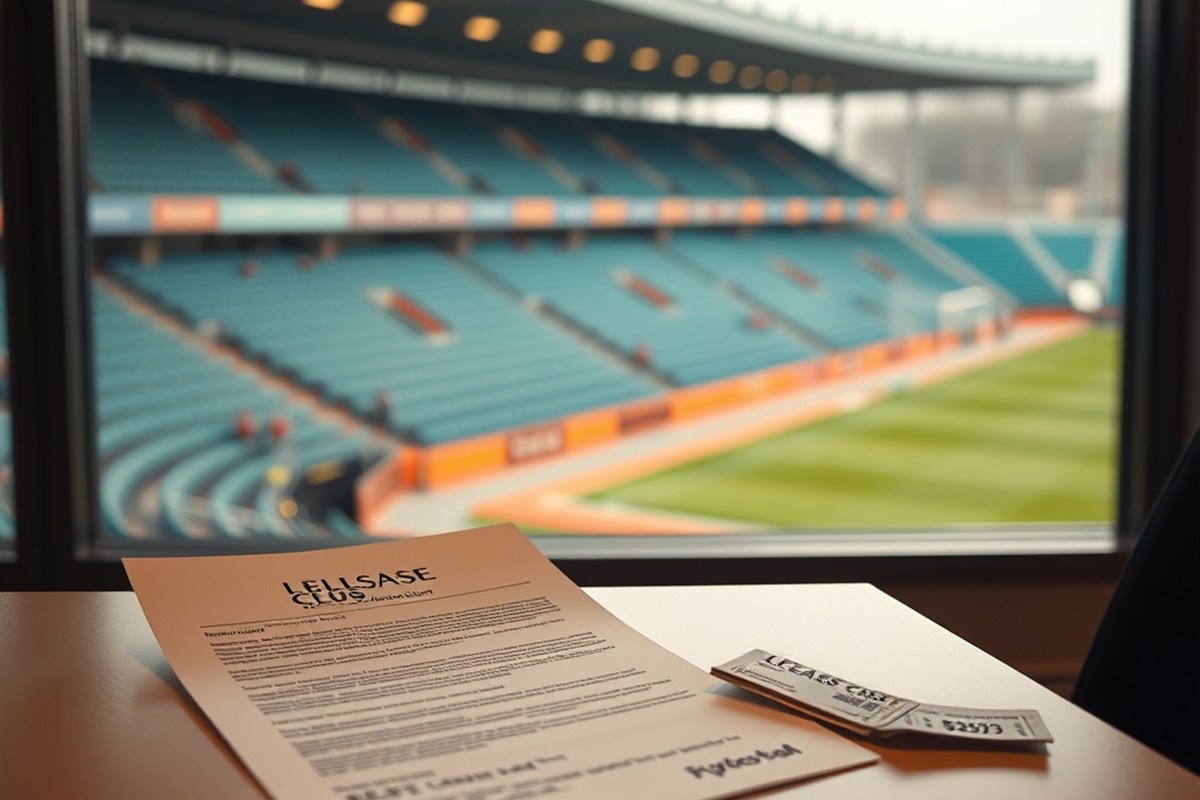
A club announces a new kit, a tournament adds a premium ticket tier, or a training facility opens its doors. Each announcement raises the same question: should the price be in the press release? Knowing when to include pricing in a press release helps sports organisations give reporters useful facts without turning a news update into a sales pitch.
The short answer: include a price when it is central to the news or helps readers act on it. Leave detailed options, conditions and technical information to a page on your website. That division keeps the announcement clear and gives fans a reliable place to check the fine print.
When Price Belongs in the Announcement
Put pricing in the release if it is a defining part of the announcement. For example, a club launching a new season-ticket plan with a lower entry price may want that figure in the opening paragraphs. A charity match with a fixed ticket price, a new youth academy with published fees, or a pay-per-view event with a notable price change may also warrant a clear figure.
Price is especially useful when it answers the first practical question a fan is likely to have: “Can I afford this, and when can I buy it?” State the amount, currency, and relevant unit. “Tickets start at $25 per person” is more informative than “affordable tickets are available.” If there are several categories, identify the range or the starting price and point readers to the full breakdown on the club’s site.
Be precise about what the number includes. If a ticket price excludes service charges, say so. If a membership fee covers a full season rather than a single month, make the period explicit. A price without context can create confusion, especially when a release is republished without the surrounding promotional material.
When to Keep the Details on Your Website
A press release is not the place for every package, add-on and exception. If the announcement involves multiple seating sections, family bundles, hospitality options, or changing prices, use the release to explain the main offer and send readers to a dedicated information page for the complete schedule.
The same rule applies to merchandise and equipment launches. A headline price may be useful if it helps explain why a new boot, racket or training product matters. But a list of sizes, materials, colourways and retailer-specific prices can bury the news. Put those details on the product page, where they can be updated without revising the release.

This separation also protects credibility. Promotional claims such as “the best value in the league” need support, while technical claims should be specific enough to verify. An annotated press release guide offers a useful way to think through which facts belong in the announcement and which are better placed on a website.
Make the Release Useful to Fans and Reporters
A sports announcement should answer the basic questions quickly: what is happening, who is involved, when it starts, where it takes place, and what the reader can do next. For a ticket launch, include the on-sale date and the official purchase route. For a tournament, give the dates, venue, format and participating teams if confirmed. If information is not final, avoid presenting an estimate as a settled fact.
Quotes should add perspective rather than repeat the headline. A coach can explain why a new event matters to the squad; a commercial director can clarify how a ticket plan works. Avoid stuffing quotes with price claims. If the price is the news, state it plainly in the main copy and let the quote explain the decision behind it.
Before sending the release, check every number against the page fans will use. Confirm that the stated price matches the ticketing or product page, that dates and time zones are clear, and that any “from” price is genuinely available. If terms change, update the web page first and make sure the release still directs readers to the current details.
Sports Organisations Need Good Freelance Support
Smaller clubs and event organisers often rely on freelance photographers, designers, writers and video editors to prepare launch materials. Their work can shape whether an announcement looks polished, but choosing a freelancer takes more than scanning a portfolio. Clear service descriptions and relevant examples help a club judge fit before a deadline arrives.
When comparing strong vs weak freelancer headlines, look for a headline that identifies the service and the kind of client or project it suits. A sports photographer who specifies match-day coverage is easier to assess than a profile that simply says “creative professional.” Osdire is one marketplace where buyers can find freelancers across areas such as design, writing, photography and video, which can be useful when a team needs a particular skill for a campaign.
A Simple Decision Checklist
Before publishing, ask whether the price is essential to the announcement, whether a reader can understand exactly what it covers, and whether the figure is confirmed. If all three answers are yes, include it prominently. If the price depends on options or conditions, state the key starting point and direct readers to the full details online.
The goal is not to make every release sound exciting. It is to make the news easy to understand and act on. A clear price can help fans decide; an overloaded release can make them miss the point.
- Include a price when it is central to the news or helps fans make a decision.
- State the currency, unit, period and any important exclusions.
- Keep complex price tiers and changing product details on a page that can be updated.
- Verify the release against the live ticketing or product information before publication.
- Use quotes for context, not as a substitute for clear factual details.