Home Gym Essentials 2026: Gear That Earns Its Space
A home gym fails for boring reasons: the rack does not fit the ceiling, the plates rattle through the floor, or the bench is too tall for the room. We built three setups in a spare bedroom, a garage and a 12-square-meter apartment corner, then lived with them for four weeks to find the gear that earns its footprint.
What Earns Space in a Home Gym
The four pieces that earned permanent space were an adjustable bench, a pair of loadable dumbbells, a pull-up bar and a compact rack. Everything else was optional. Together they cover more than 40 exercises and fit in about 8 square meters if you choose the right rack.
The mistake we see most is buying a multi-station machine first. It looks efficient, but it locks you into one movement path and dominates the room. Free weights take more skill and less space, and they hold value if you move or sell.
The Core Four, Tested
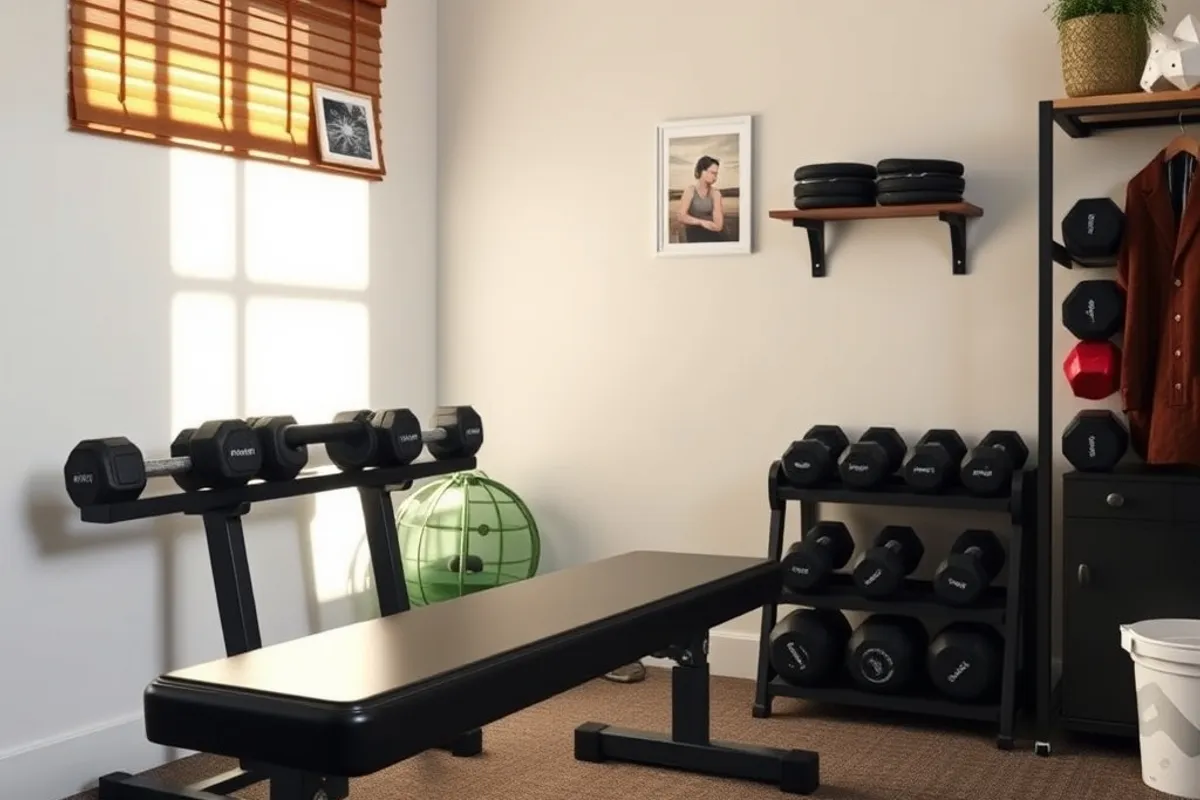
The bench we kept costs $220, adjusts from flat to 85 degrees, and has a 300 kg rating. It was stable under a 100 kg press and did not wobble at the incline. The loadable dumbbells cost $180 with plates and replace a full rack for most lifters, though changing weights takes about 20 seconds per side.
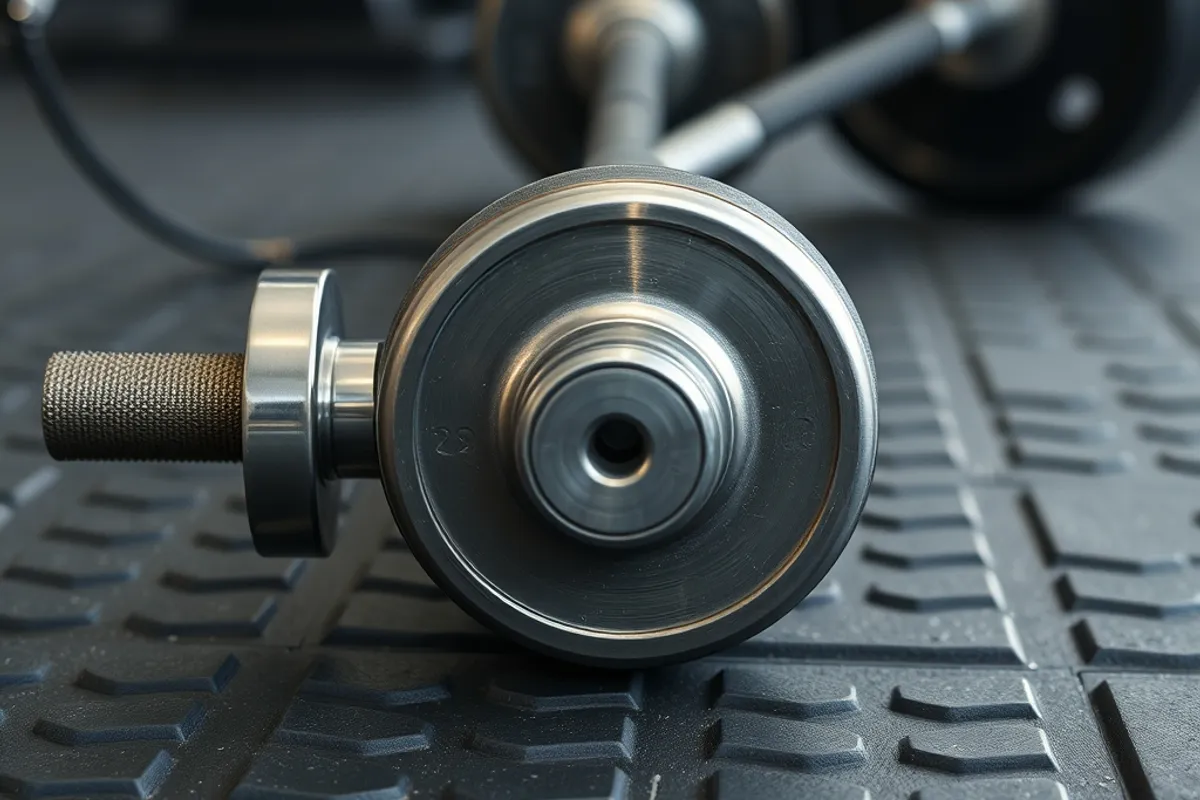
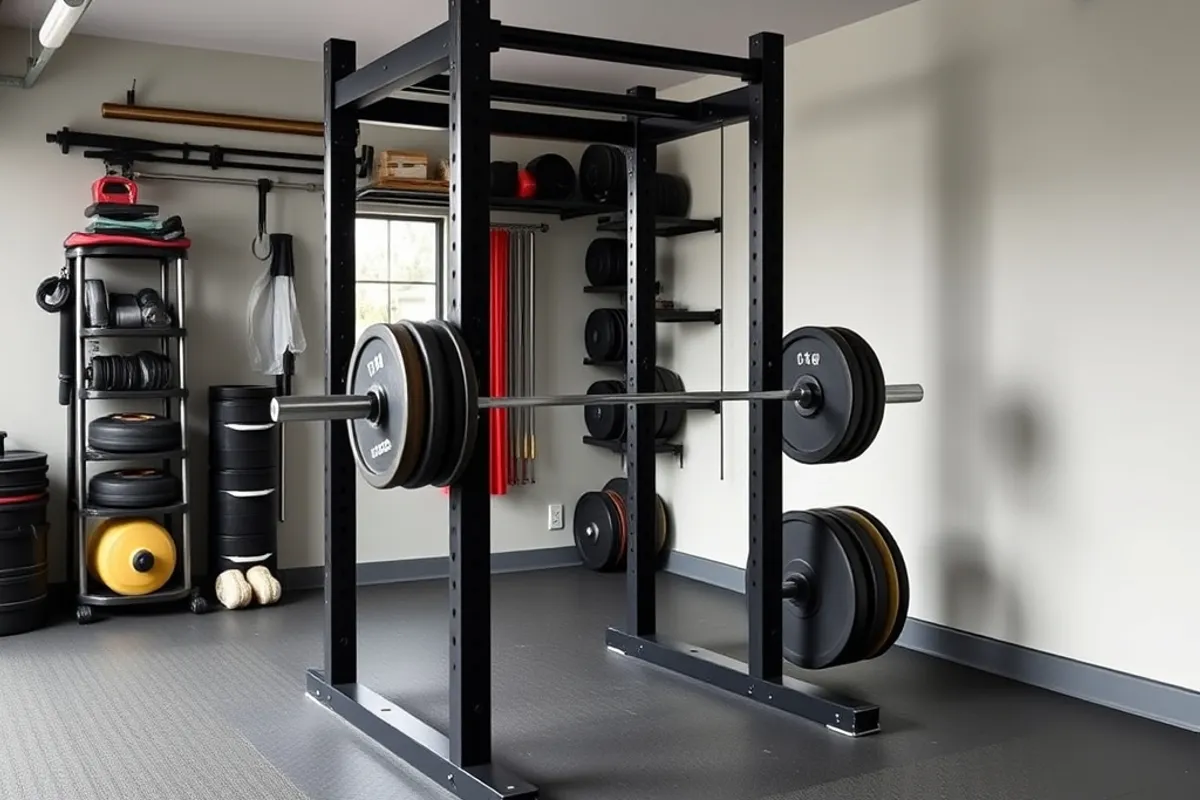
A wall-mounted pull-up bar at $60 was the best value in the test, provided you find a stud. The compact rack at $350 fits under a 2.3-meter ceiling and has a pull-up bar integrated. It took 50 minutes to assemble and felt solid after four weeks of squats and presses.
Flooring and Noise
A 15 mm rubber tile floor cut dropped-dumbbell noise by about 9 decibels in our garage test. It also protected the concrete and made the space feel like a gym. Budget $3 to $5 per square foot; a 3 by 3 meter area cost $280 to $420.
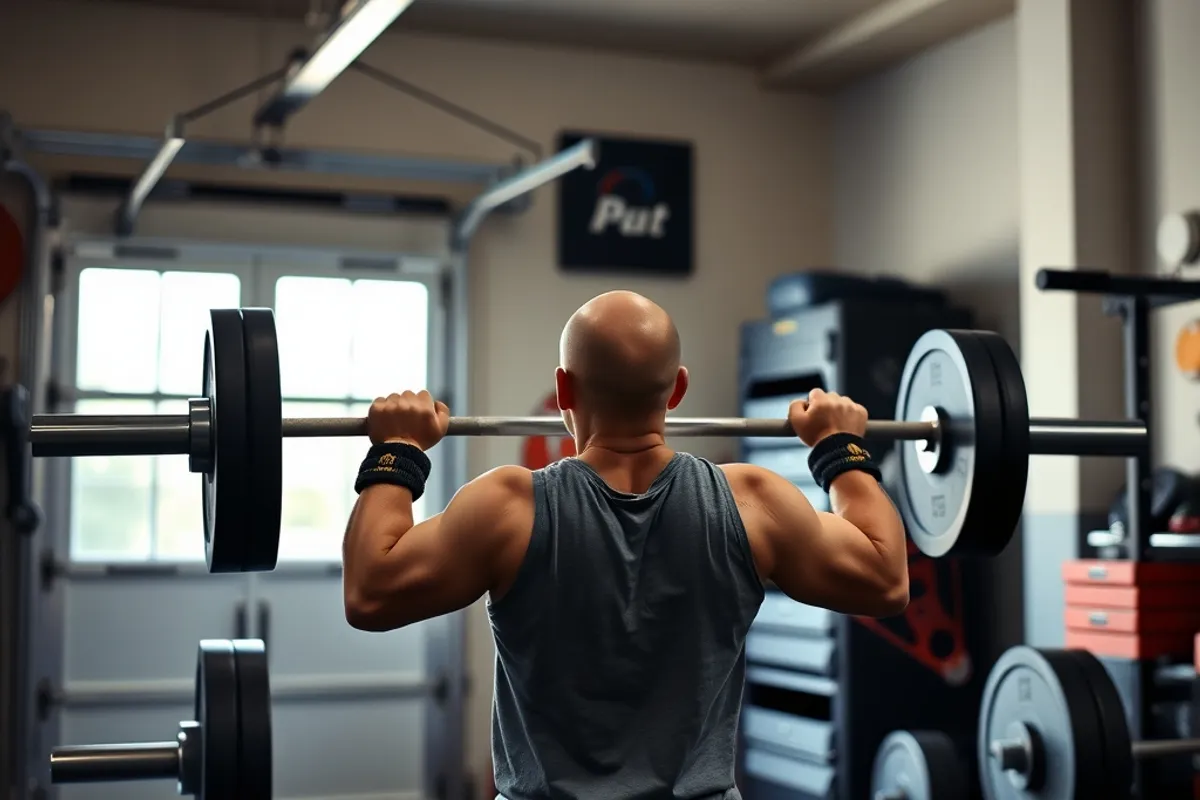
Rubber tiles do more for your neighbours than any expensive piece of equipment. Buy them before the barbell.
If you live above someone, add a plywood platform under the rack and avoid dropping weights from overhead. A cheap decibel meter app showed peak noise at 78 dB without flooring and 69 dB with it. That is the difference between a complaint and a neighbour who never notices.
Small-Space Layouts
In the 12-square-meter apartment corner, we used a folding rack, a bench that stores upright, and dumbbells on a vertical stand. The footprint during a workout was 2.4 by 1.8 meters; folded, it was 0.6 by 1.8 meters. A mirror on the wall made the space feel larger and helped check form.
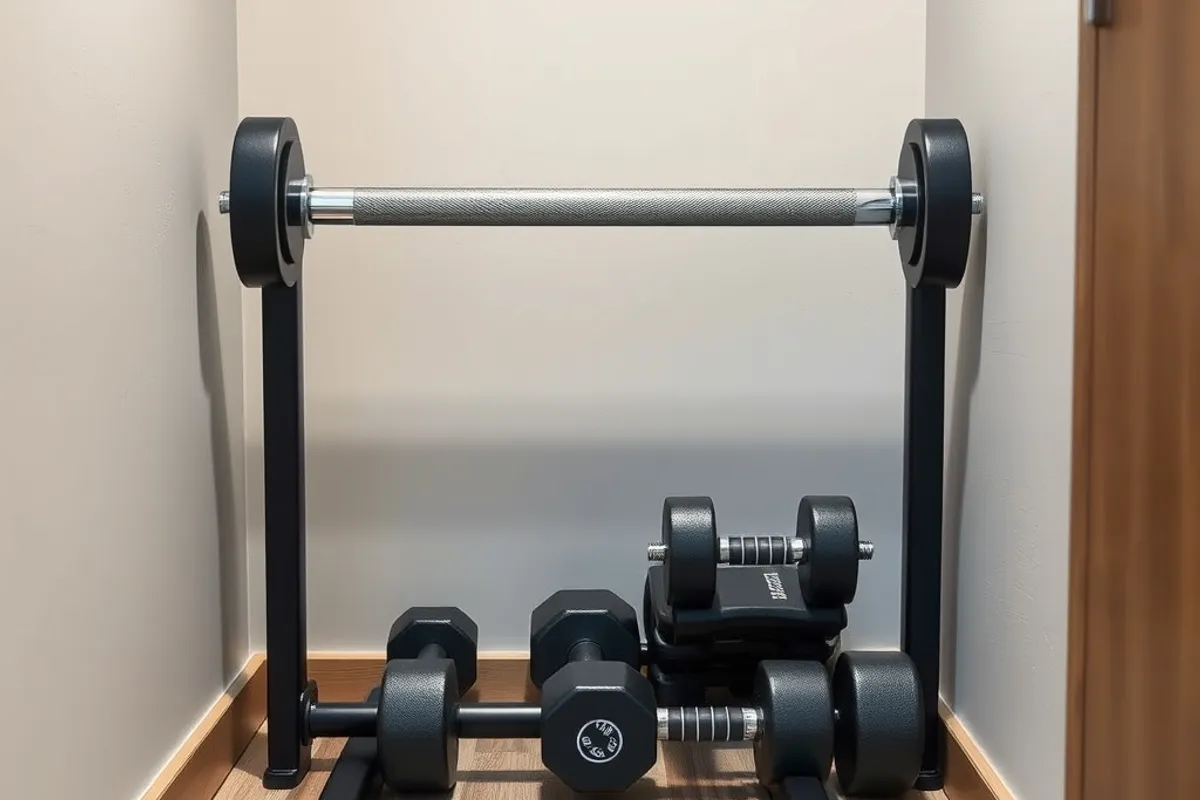
Keep 60 cm of clear space on each side of the bench and 80 cm in front of the rack. If the ceiling is below 2.2 meters, skip overhead presses indoors or use a seated variation. Measure the door width before buying a rack; some arrive in two boxes but the uprights are still 2 meters long.
Budget Builds
A starter setup for under $500: adjustable dumbbells, a flat bench, resistance bands, a pull-up bar and rubber tiles for a small area. That covers a full-body program for six months. Add a rack and barbell only when you know you will squat consistently.
A mid-range setup around $1,200 adds a compact rack, a 100 kg plate set and a better bench. Spend on the bar first; a cheap bar with poor knurling and uneven spin is the most frustrating false economy. Plates can be bought used without much risk.
Maintenance and Safety
Check rack bolts monthly and re-tighten after the first week. Wipe rubber mats with a damp cloth, not solvent. Store plates on a tree or the floor, never leaning against a wall where they can slide. Inspect dumbbell collars before every session; a loose collar is the most common home-gym injury cause.
Work out alone with a plan: use safety arms set just below your lowest rep, keep a phone within reach, and avoid max attempts when nobody is home. A $350 rack with safety arms is cheaper than one emergency visit. Build the habit first, then the collection.
- Four pieces cover 40+ exercises in about 8 square meters.
- Bench tested at $220 with a 300 kg rating and no wobble at incline.
- 15 mm rubber tiles cut dropped-weight noise by about 9 decibels.
- A starter setup under $500 covers a full-body program for six months.
- Check rack bolts monthly and never train max lifts alone without safety arms.