Best Running Shoes 2026: Tested for Grip, Cushion and Long Miles
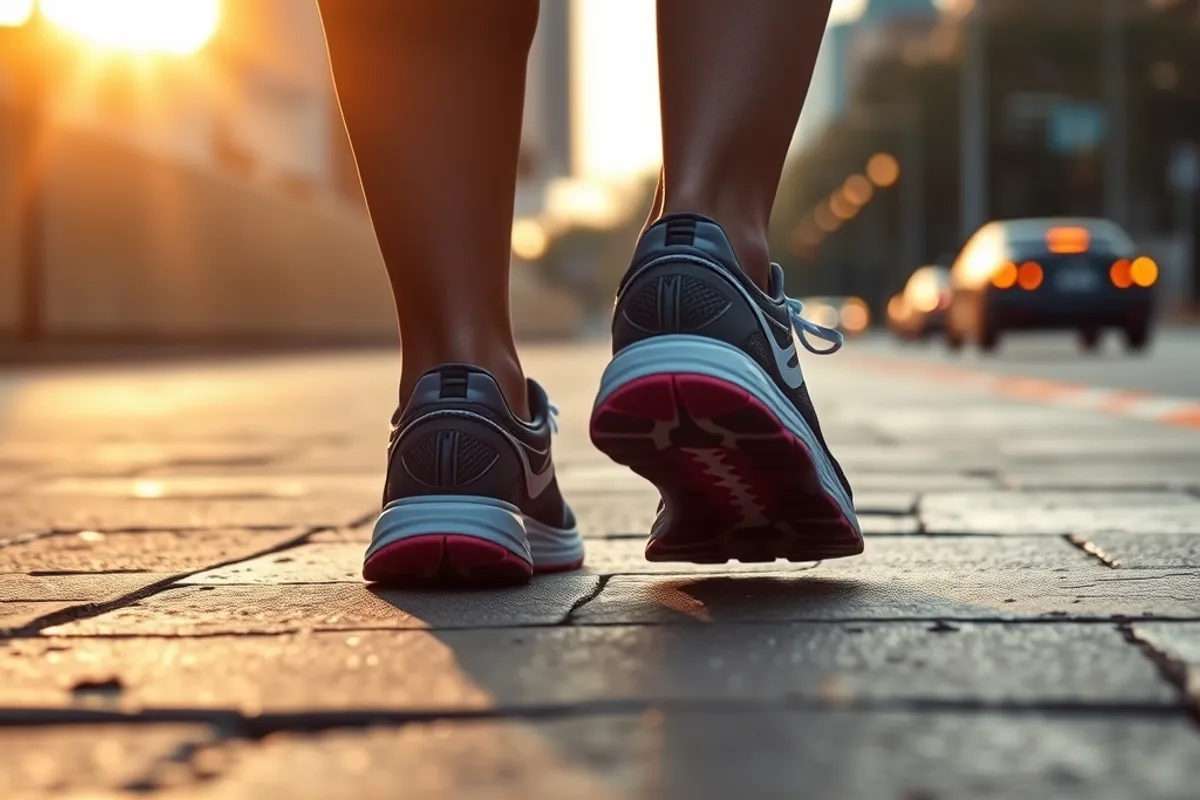
Running shoes are personal, but they are not mysterious. We put nine pairs through 80 kilometers each on road, treadmill and light trail, then scored them on cushioning, grip, fit and how they felt in the last 20 minutes of a long run. The winner is not the softest shoe. It is the one that still felt controlled when our legs were tired.
How We Tested
Each shoe covered the same 80-kilometer route mix: 50 km road, 20 km treadmill, 10 km light trail. Three testers with different foot shapes and weekly distances rotated pairs to reduce bias. We recorded weight, stack height, drop and measured flexibility in a simple bench test.
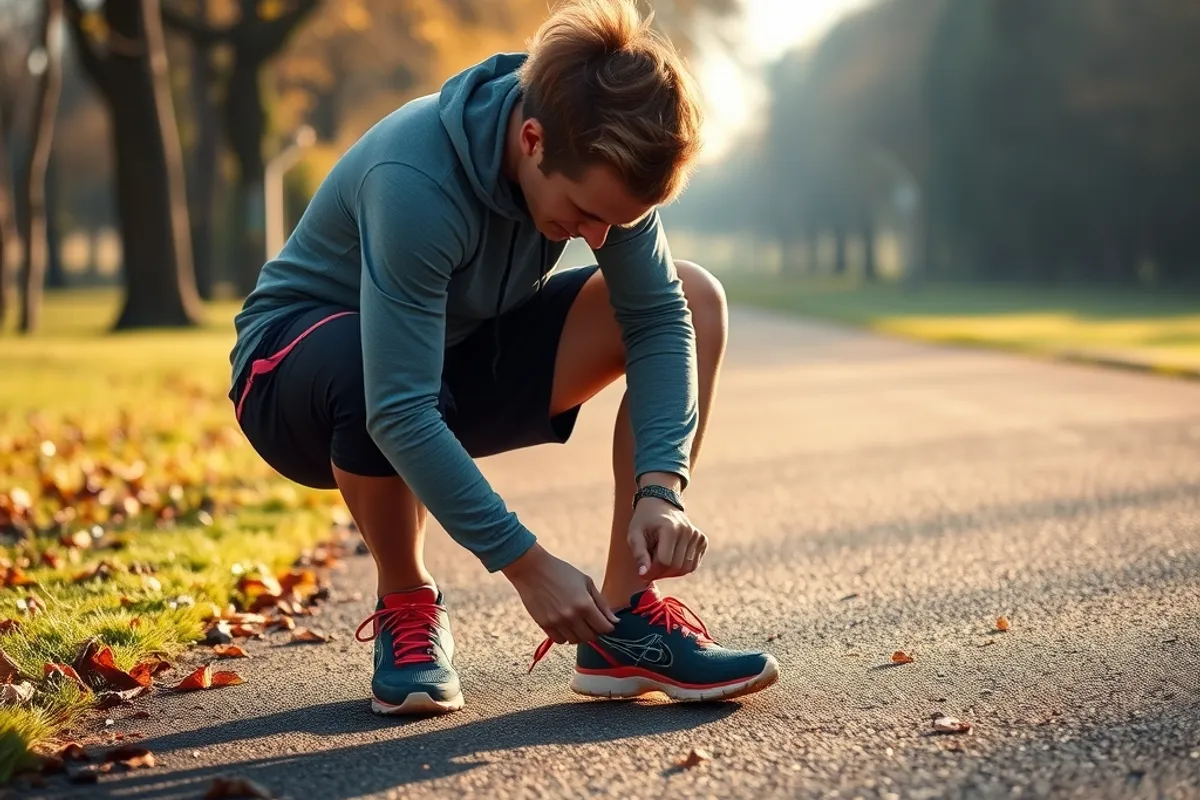
We also tracked durability: outsole wear at the heel, upper stretch, and insole compression. A shoe lost points if it felt unstable after 60 km or if the upper rubbed without socks. All shoes were bought at retail, and no brand saw results before publication.
Our Winner: A Daily Trainer That Does Everything
The winner is a $150 daily trainer with a 36 mm heel, 28 mm forefoot and an 8 mm drop. At 265 grams in a US men size 9, it is light enough for tempo work and cushioned enough for 90-minute easy runs. Grip on wet pavement was the best in the test.
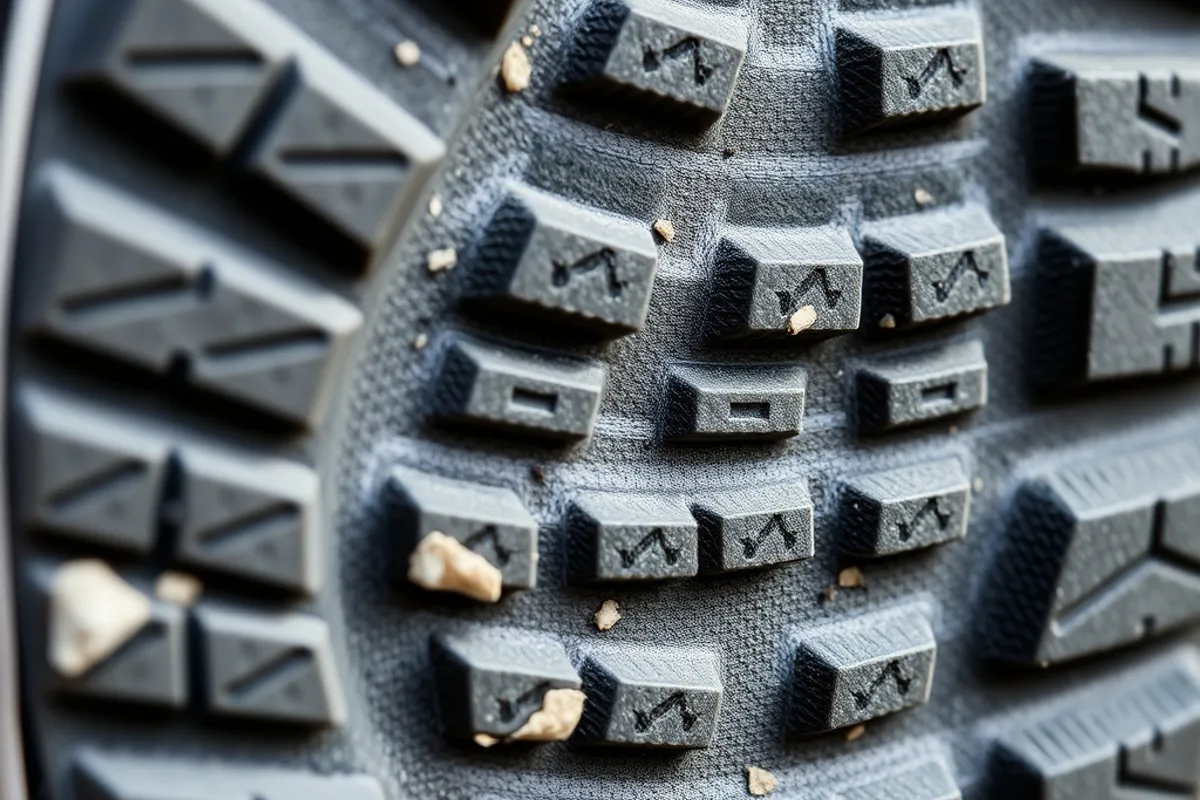
The upper is breathable without feeling thin, and the heel collar held without pressure. Our heaviest tester, at 92 kg, found the foam stable at 10 km pace. The only weakness is price: at full retail it costs $20 more than our value pick, and the outsole shows wear at 80 km.
Best Value and Best for Wide Feet
The value pick costs $110 and uses a firmer foam that feels plain at first and reliable later. It weighed 285 grams, handled 80 km with minimal outsole wear, and was the most stable shoe in the test. If you run three times a week and hate replacing shoes, this is the sensible buy.

A running shoe earns its price in the last third of a long run, not in the first step off the shelf.
For wide feet, a $140 model in a 2E width was the clear winner. The toe box measured 4 mm wider than standard, and the upper did not pinch across the forefoot. One tester with a bunion rated it the only comfortable shoe in the group. Order half a size up if you wear thick socks.
Cushion vs Ground Feel
Soft shoes reduce impact but can feel vague on turns. In our test, the softest pair measured 42 mm at the heel and felt best on easy days, yet our testers avoided it for tempo runs because the foam compressed unpredictably. The winner balanced both with a firmer midsole and a rocker that kept transitions smooth.
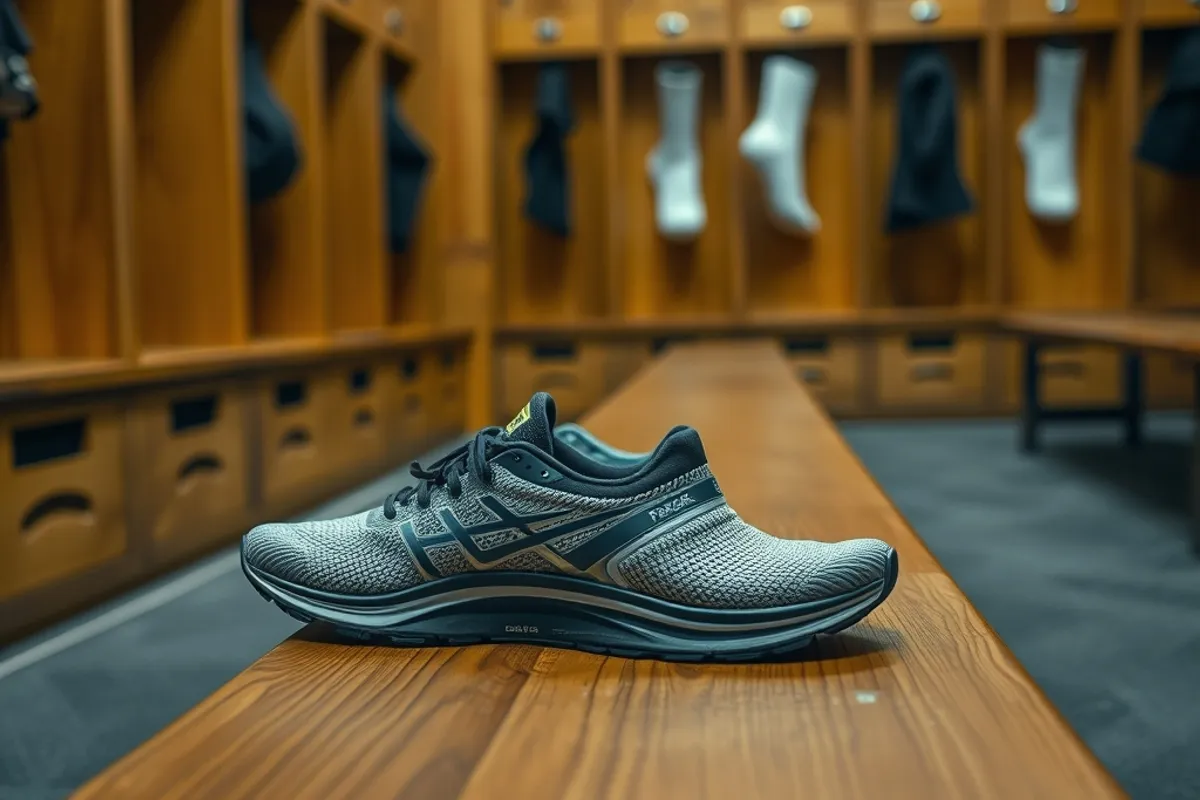
If you are new to running, do not chase maximum cushion. A moderate stack of 32 to 36 mm with a stable heel is easier to control while your form develops. If you have knee sensitivity, a softer shoe can help, but only if the fit is right and you build distance slowly.
Fit, Sizing and Break-In
Measure your foot at the end of the day, standing, with the socks you run in. Leave a thumb width at the toe. Our testers went half a size up in three of nine models. Narrow heels should look for a two-eyelet runner loop; wide forefeet should prioritize toe box width over overall size.
Most modern running shoes need no break-in, but give a new pair two short runs before a long one. Wear them indoors first to confirm the return policy. Replace shoes at 500 to 650 kilometers, or sooner if the midsole feels flat. Rotating two pairs extends the life of both.
Who Should Buy What
Buy the winner if you want one shoe for easy runs, tempo work and the occasional park path. Buy the value pick if you run on a budget and prefer a firmer ride. Buy the wide model if standard shoes pinch your forefoot, and skip the softest pair unless comfort is your only priority.
Our final note is about socks. A $15 pair of technical socks prevented blisters in every long test and costs less than a shoe upgrade. Fix the fit first, then spend on foam. Your feet will tell you the difference within 20 kilometers.
- Nine shoes each covered 80 km on road, treadmill and light trail.
- Winner costs $150 and weighs 265 grams in a US men size 9.
- Value pick costs $110 and had the least outsole wear in testing.
- Wide-fit pick offers a 2E option with a 4 mm wider toe box.
- Replace running shoes at 500 to 650 kilometers of use.