Esports 2026: Major Tournaments, Formats and Teams to Follow
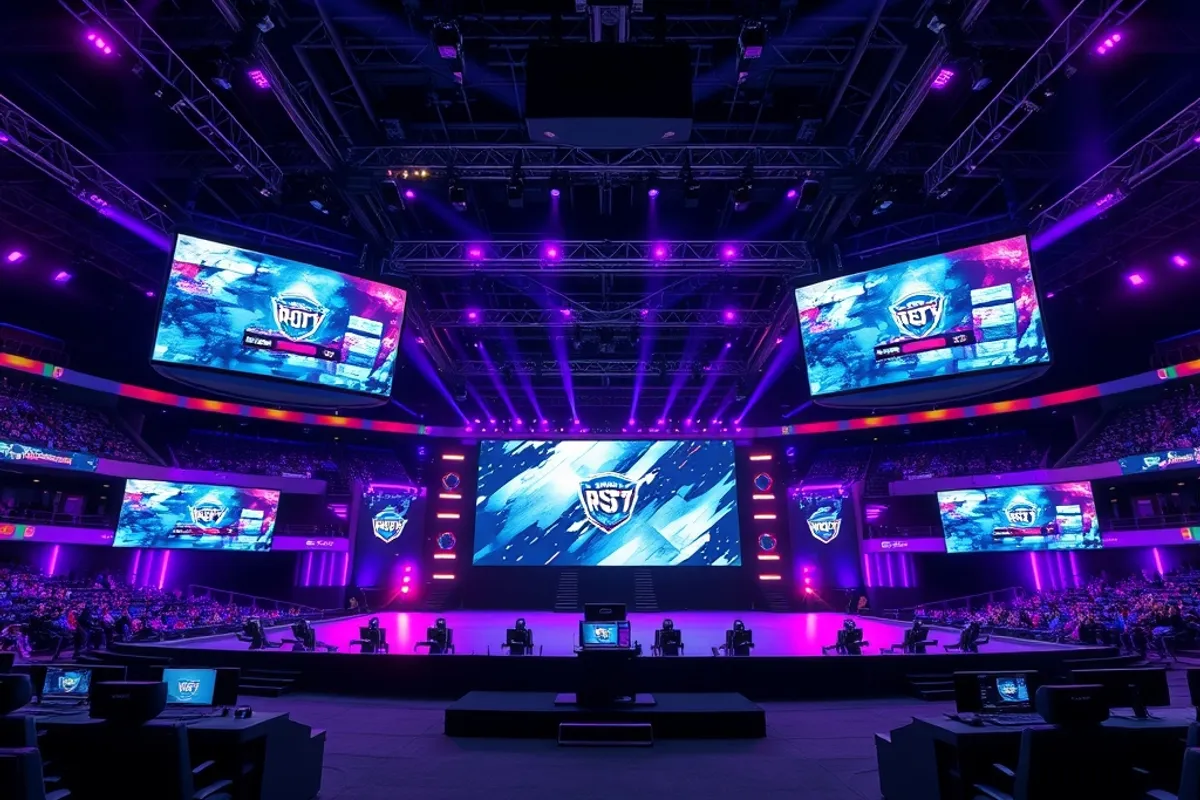
The 2026 esports calendar is fuller than ever, which is good for fans and terrible for schedules. Four major titles overlap in July, and three regional leagues run through the same weekend. We mapped the season, explained the formats, and picked the teams whose stories are easiest to follow without watching every match.
The 2026 Calendar at a Glance
The year divides into three blocks: qualifiers from January to March, majors and international events from April to August, and world finals from September to November. The densest stretch is July, when two major finals land within eight days. Plan your viewing around one title rather than trying to follow all four.
Regional leagues run weekly and feed the majors. If you only watch international events, you will miss the roster changes that explain the results. A 30-minute weekly recap is enough to stay informed without turning esports into a second job.
Formats Explained: Groups, Upper and Lower Brackets
Most majors start with a group stage: four teams per group, best-of-three, top two advance. The winner goes to the upper bracket, the runner-up to the lower bracket. Losing in the upper bracket is not elimination; losing in the lower bracket is.
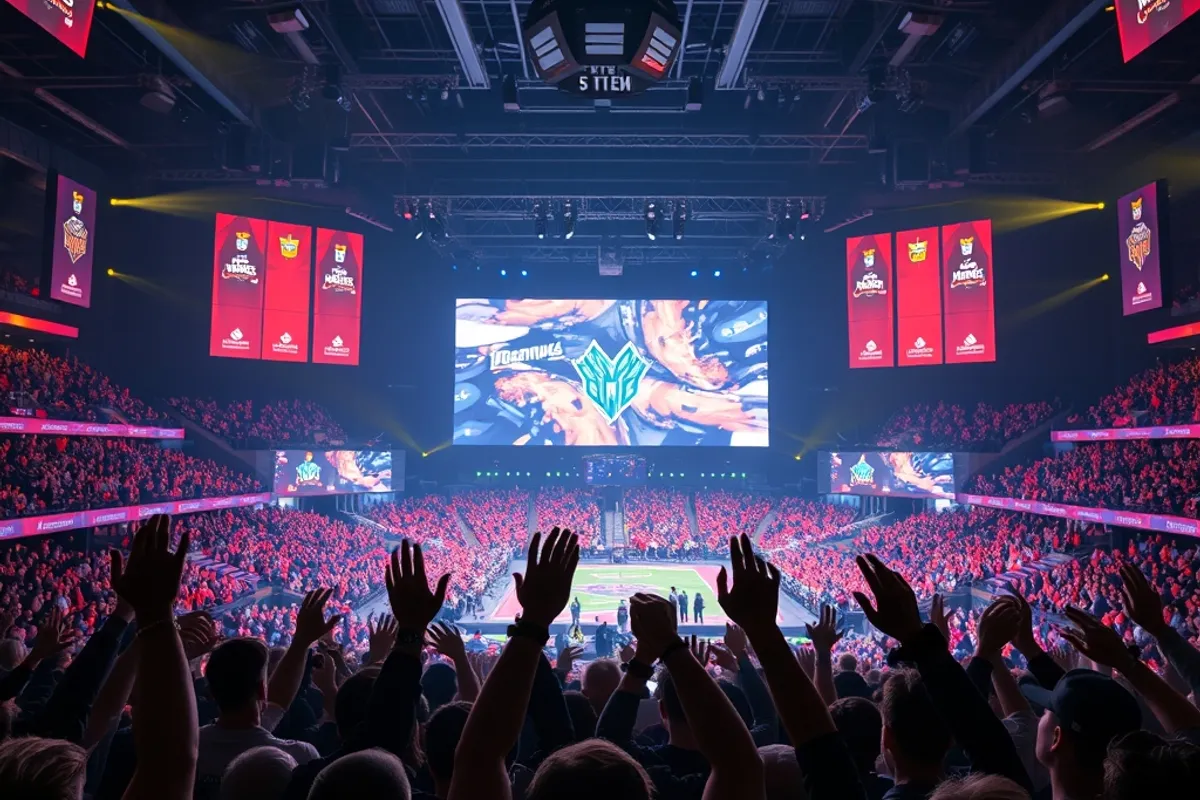
Playoffs are usually best-of-three until the final, which is best-of-five. A best-of-five rewards depth and adaptation: a team can lose the first map and still win. That is why comebacks are more common in finals, and why a strong map pool matters more than a single standout player.
Teams With the Most Stable Storylines
Three rosters kept their starting lineups through the off-season, and all three sit in the top eight of our watch list. Stability makes narratives readable: you can see a team fix the same weakness over months instead of relearning names every split. It also tends to produce better mid-series adjustments.
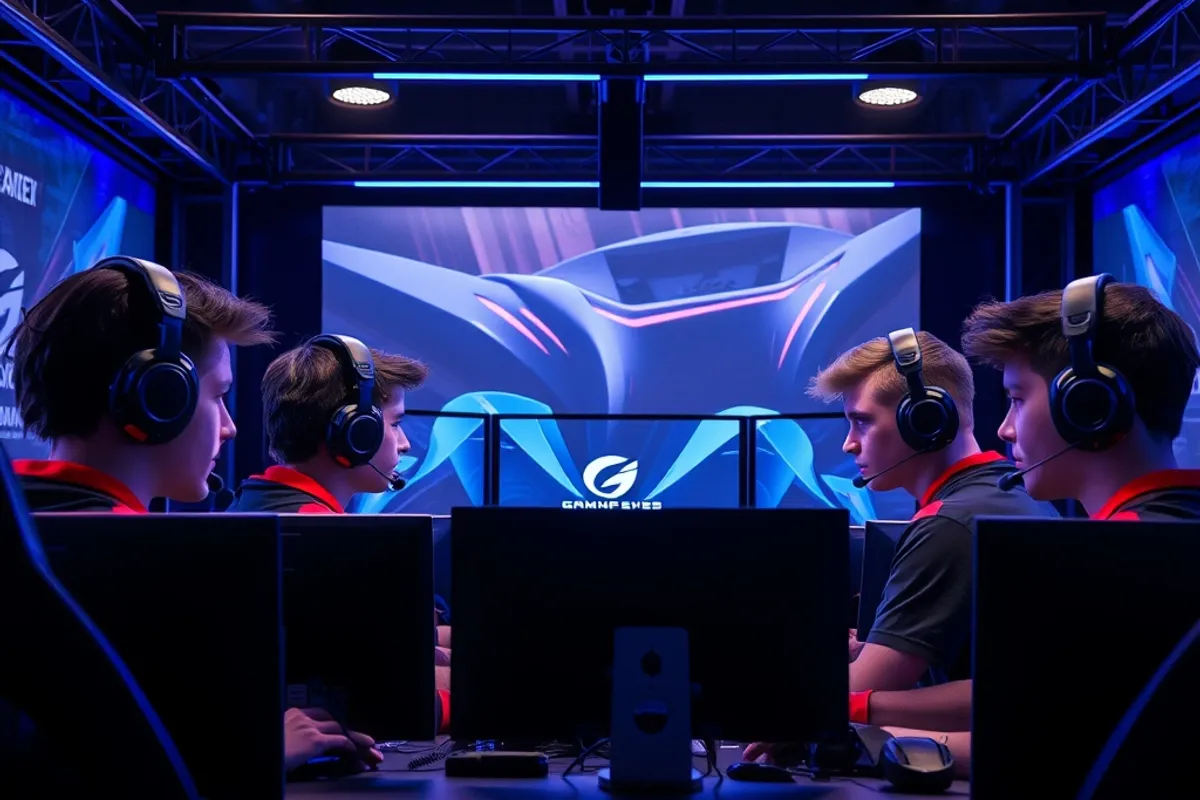
The easiest team to follow is not the best team. It is the one that keeps the same five players for a full season.
The most interesting team is not the favourite. It is a roster that replaced two players and moved its in-game leader to a new role. Early results are uneven, but the structure is clearer than the standings suggest. Watch their map-one setups; they are experimenting in public.
Regional Storylines to Track
Europe remains the deepest region, with six teams capable of reaching a semifinal. North America has narrowed the gap through better academy pipelines, and two of its teams now win on maps they used to ban. Asia is the fastest-improving region, especially in tactical shooters, where solo queue discipline has improved.
For new viewers, pick one region and follow its weekly league. The storylines are more coherent, and the match times are consistent. International events then feel like a payoff rather than a random collection of teams.
How to Read a Best-of-Three
Map one is often a comfort pick. Map two is where the draft battle happens, and map three exposes depth. If a team wins map one with a surprise pick, watch whether the opponent bans it in the next series. That adjustment is the clearest sign of coaching quality.
Economy and tempo matter more than highlight kills. A team that wins pistol rounds and converts them has a structural edge. A team that wins only on aim-dependent rounds will struggle in a long series. Watch the first four rounds before deciding who is in control.
What Comes Next
The next major window opens in six weeks, with two qualifiers that decide the final seeds. Roster locks close before that, so any change now is the last one until winter. We will publish a bracket primer the week before the event and a schedule with local times.
If you are new, start with one tournament, one team and one weekly recap. The goal is not to watch everything. It is to understand one storyline well enough that a final means something. That is how most long-time fans started.
- The 2026 calendar peaks in July with two major finals eight days apart.
- Group stages are best-of-three; most finals are best-of-five.
- Three top-eight teams kept the same starting roster this season.
- Best-of-five finals reward map depth and mid-series adaptation.
- Roster locks close before the next major window in six weeks.